


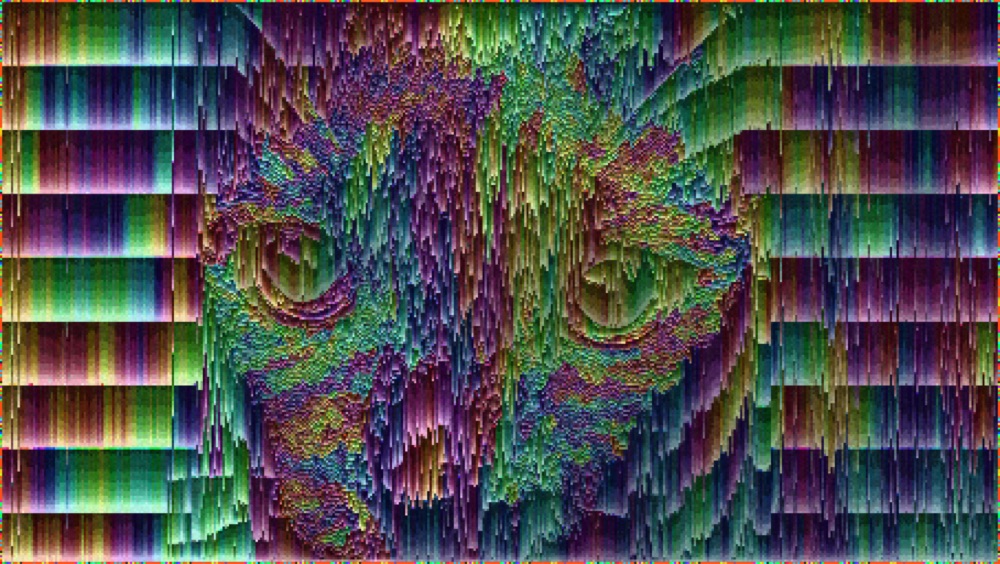
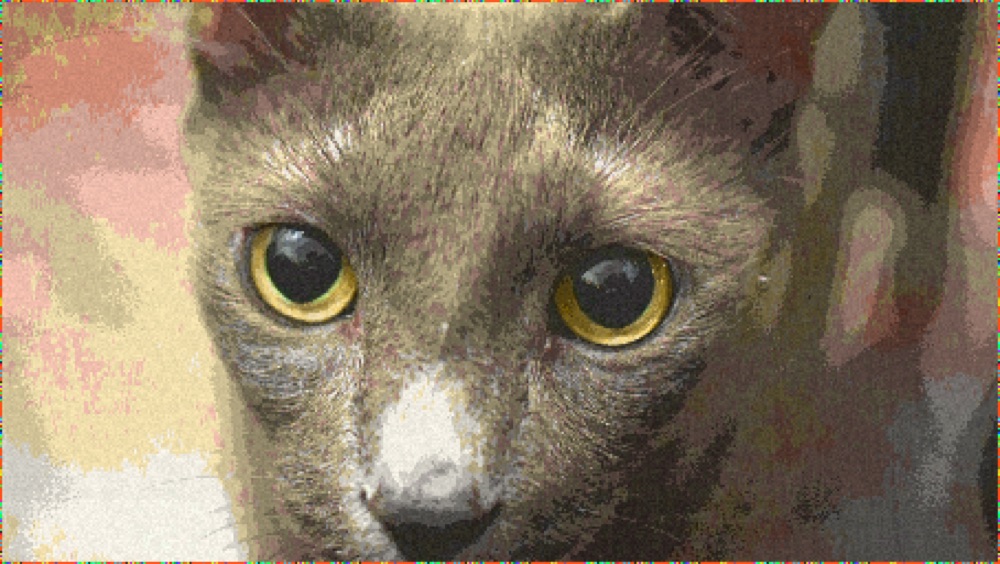
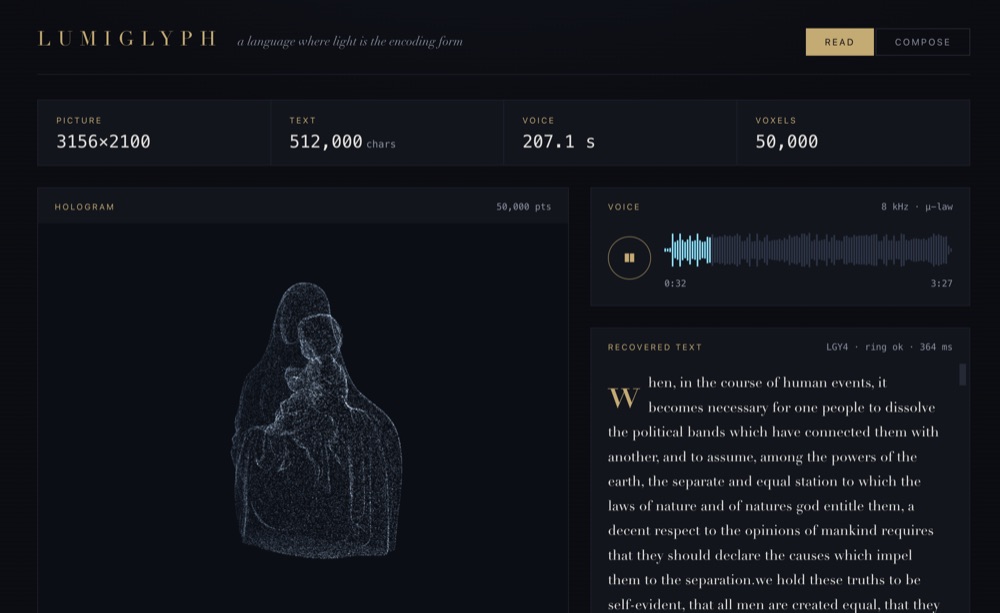
I kept wanting a picture to be more than a picture. A keepsake that carries its own voice, its own depth, its own words... no sidecar file, no server, nothing that can go away and take the meaning with it.
The payload has to survive the trip, and a camera is a hostile reader; glare, angle, compression. Hiding data in luminance means the image has to keep reading as an image while the data underneath stays recoverable.
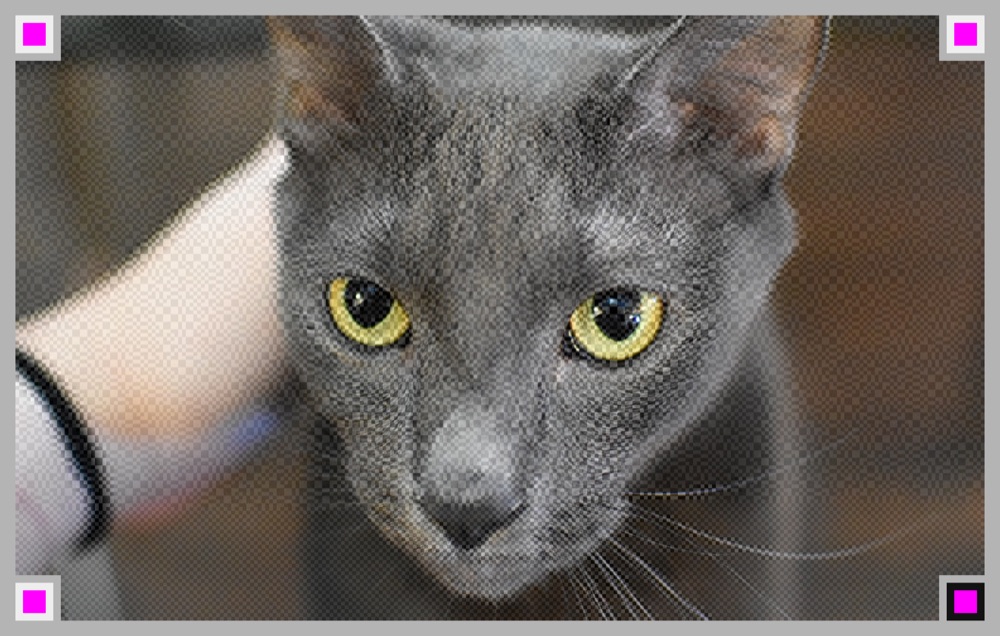
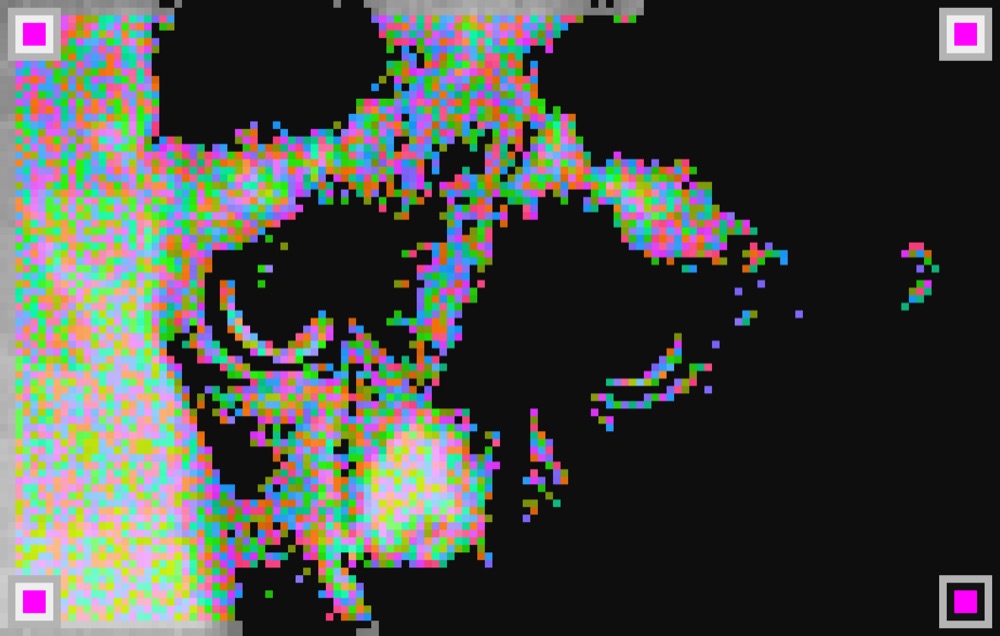
Two tools, one idea. Lumiglyph writes the payload into the light of a PNG; you compose one, and anyone with the reader can open it back up. LumiCode is the scannable tier: three encoders and one reader that pulls a message back out through a phone camera. (If you're wondering why the light specifically: brightness is what survives when everything else about an image gets abused.)
Both live: lumiglyph.quiettools.dev and lumicode.quiettools.dev. A recorded face travels inside its own picture and speaks; the code tier reads from files and screenshots today, with the camera path proven on a real iPhone.